Accessibility and the “hidden curriculum”

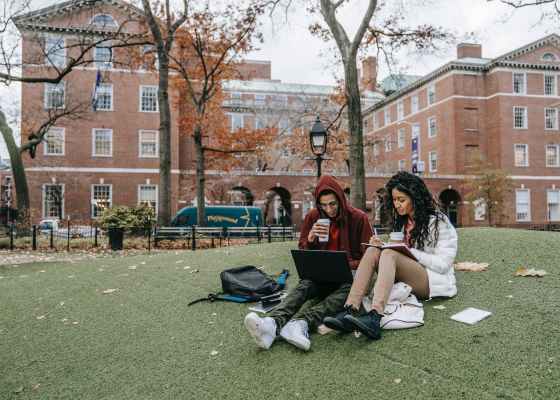
It’s the end of summer- in a few weeks, I will be back on campus, teaching. Every college class, of course, starts with handing out the syllabus, explaining course policies, explaining what we’ll do in class. There is also always an accommodation section, and it is usually a pre-written paragraph from the university that you get to paste into the syllabus. Accommodations can be anything from allowing for more time on exams, how to make up for absences, allowing for recording or other note-taking devices- you get the gist.

Earthquake Supplies for People with IBD

Throughout the years, I have lived in several places that were prone to natural disasters. New Zealand is earthquake territory, so was California (even though to a lesser extent), and Indiana has tornadoes (thank god, I never had to experience one). The earthquakes I did experience were really small, a little rumble. Now however, I live in the Pacific Northwest, where within the next 50 years, a major quake (around 9 on the scale) is about to hit, another great Cascadia Earthquake.

New Year’s Resolutions for People with Chronic Illnesses

If you’re anything like us, you probably spent a good chunk of 2018 dealing with your chronic illness, adjusting to new developments and learning from the hard knocks along the way. We’re not big believers in New Year’s resolutions, but we like to make lists and bring visibility to chronic illness, especially of the invisible variety. These New Year’s resolutions are an accumulation of some insights and hopes for the new year. We know that different conditions require different handling and that not all of these resolutions will work for everyone. We all have different experiences and life situations and that’s cool! But we want to share these resolutions to show solidarity, help allies support friends and family and let others with chronic illness know: you’re not alone.